
A new mattress might be the answer for people who experience aches and pains in the morning and/or at night, and a well-designed mattress can help reduce pain by supporting injured joints… but what are orthopaedic mattresses? And could they be the solution to a more comfortable sleep?

Unfortunately, it seems as if every mattress available these days – including the kinds that many people are already uncomfortably sleeping on – are actually just marketed as “orthopaedic.”
If you’re wondering how to differentiate between a normal mattress and an orthopaedic one, and which is best for you and your specific requirements, you’re not alone. In this post, we’ll provide more context to help you understand if an orthopaedic mattress is right for you.
What Does Orthopaedic Mean?
According to Merriam-Webster, orthopaedic is defined as:
“A branch of medicine concerned with the correction or prevention of deformities, disorders, or injuries of the skeleton and associated structures (such as tendons and ligaments).”
So, What Is an Orthopaedic Mattress?
An orthopaedic mattress is a type of mattress that offers support to the joints. It is usually recommended for people who experience pain while sleeping, those who are recovering from an injury, seniors, and physically active individuals.

An orthopaedic mattress should meet the following minimum requirements:
- It should support spinal alignment
- It should have the right degree of firmness and natural elasticity to support the body’s main pressure points, specifically the shoulder, back, and pelvic region
- It should provide pressure relief by aligning the spine in a way that removes tension
*Note: For more information on how our 100% organic latex and pure wool mattresses support the spine, refer to: The Best Mattress For Back Pain
Understanding the Evolution of Orthopaedic Mattresses:
The term “orthopaedic” has been used for mattresses since the 1950s. However, the development of genuine orthopaedic mattresses wasn’t a specific “once-off” invention. It was an evolution that was driven by advances. These advances were primarily in medical understanding as well as technology, but more specifically – mattress technology.
Here’s a Breakdown of The History:
The 1950s:
Medical knowledge about bone and joint function rapidly improved, thanks to:
- Imaging techniques like X-rays
- The surge in musculoskeletal injuries related to World War II
- A cross-disciplinary approach which resulted in the collaboration between orthopaedic surgeons, physiotherapists, and bioengineers.

Ultimately, these factors led to the development of surgical techniques and best practices focusing on treating bone and joint disorders.
With this progress, some mattress manufacturers were prompted to design products specifically for back support and proper spinal alignment. These were the first mattresses marketed as “orthopaedic” because they typically adhered to stricter guidelines based on sound medical principles.
The 1960s:

NASA developed memory foam, a pressure-conforming material with potential applications in sleep support.
Remember, this was a major advancement in technology. However, it was at a time when little was known about the effects of the off-gassing of carcinogenic volatile organic compounds, like those found in memory foam which is composed of Polyurethane (synthesized from petrochemicals).
To be fair, this was a time in history when doctors endorsed the smoking of cigarettes. This was due to funding from big corporate tobacco companies. Companies that exploited doctors to promote false information to grow their market and increase revenue.
The 1990s:
It wasn’t until the 90s that memory foam became widely used in mattresses. It was often marketed as an “orthopaedic” feature due to its ability to cradle the body’s curves.
At the time, people were not informed about the side effects of sleeping on memory foam.
Public awareness about the potential downsides of memory foam mattresses only started growing towards the late 1990s.
This was when many people started noticing strong chemical odours emitted by their mattresses while experiencing:
- Skin irritations
- Allergic reactions
- Congestion
- Headaches
- Excessive night sweats
- Body aches (as memory foam quickly degraded from body heat, it lacked the necessary “pushback” for proper spinal alignment and support).
2000 – 2010:
Innovation in mattress materials and construction continued, with various types of coils, latex, and other foams offering different levels of support and comfort.
2024:
In today’s current market, the term “orthopaedic” mattress is more of a marketing term than a strictly defined and regulated category.
There’s no single association solely dedicated to certifying mattresses as “orthopaedic”.
The term itself holds a somewhat ambiguous meaning, due to a lack of standardisation since there are no officially accepted definitions, nor are there specifically endorsed regulatory bodies that have the power to deem a mattress as “orthopaedic”.

A mere label does not guarantee that a mattress will address or prevent back pain or other orthopaedic concerns. This is because Individual needs and conditions vary greatly, making a one-size-fits-all “orthopaedic” solution is unrealistic.
Rather than relying on an ambiguous term, look for specific features that cater to your needs, such as lifetime firmness, zoned support, pressure relief, and breathable materials. Find out how long the mattress is designed to provide these features.
On average, a higher-priced memory foam mattress is expected to last 5 – 8 years. On the other hand, our organic latex and pure wool mattresses will provide these benefits for over 25 years! For proof, refer to our Triple Assurance Guarantee.
Many mattresses are labelled as “orthopaedic” simply because they offer firmer support or features aimed at back pain relief, but only for a short while. This makes it crucial for consumers to research, compare, and test mattresses carefully before making a purchase.
So, while the origin of “orthopaedic” mattresses can be traced back to the 1950s, the concept and the features associated with it have evolved significantly over time.
It’s more accurate to say that the definition of an “orthopaedic” mattress has been continually redefined and debated, reflecting the less-regulated nature of the mattress industry and certain so-called technological claims.
Misconceptions People Have About Orthopaedic Mattresses
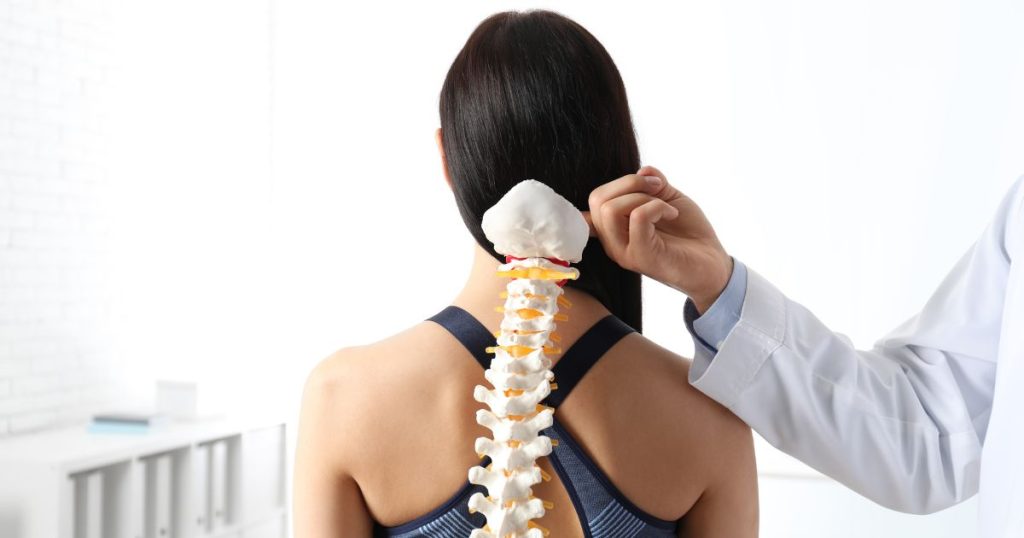
One of the biggest misconceptions is that orthopaedic mattresses are medical items recommended by doctors. In reality, there is no single association solely dedicated to certifying mattresses as “orthopaedic,” and the term is not regulated or standardized. This lack of official certification or guidance means that not all mattresses labelled as “orthopaedic” offer the expected medical support to enhance joint mobility and enhance sleep.
How To Find a Mattress That Offers “Orthopaedic” Support
Look for mattresses that are either medium-firm or firm to enhance and provide pressure relief (firm mattresses offer more support to individuals with larger frames).
The mattress should also be constructed from breathable, temperature-regulating materials, like organic latex and pure wool, which support your core body temperature by alleviating pressure points for a more comfortable sleep.

Findings By the National Library of Medicine (2021)
The results of a study by the National Library of Medicine (2021) indicated that medium-firm mattresses constructed with temperature-regulating materials promoted comfort, sleep quality, and proper alignment of the spine.
By reducing temperature increases on the back, a stable core body temperature was maintained, thereby promoting deep sleep.
Furthermore, latex mattresses were found to improve sleep efficiency by distributing body pressure better than polyurethane mattresses.
Certifications Matter
If you are considering a pure latex mattress, remember to keep a close eye on the certifications backing the brand.
The Global Organic Latex Standard (GOLS) is considered the best certification for organic latex due to its stringent requirements and credibility.
GOLS sets the bar for what constitutes organic latex and was established by Control Union, a globally recognized accreditation body (The Roundup, 2023).
Additionally, GOLS certification ensures that latex is harvested from rubber trees at certified organic plantations that don’t use harmful chemicals.
Naturelle Beds – The Solution to A Better Night’s Sleep

Our 100% organic latex and pure wool, avoid the use of memory foam and the associated concerns. They are designed to last and will offer the same great benefits for the entire lifetime of the mattress. They also regulate your temperature and are naturally hypoallergenic – in other words, the optimal sleep environment.
We do not need to label our mattresses as orthopaedic, their exceptional benefits far exceed those of the “typical” orthopaedic mattress on the market in South Africa.
So why not invest in the best mattress in South Africa? There’s nothing to lose, sleep is fundamental to your health and you’ll notice the difference from the moment you sleep on a bed from Naturelle. Read our reviews and you’ll discover what others are experiencing by sleeping on pure wool and 100% organic latex.
References:
The National Library of Medicine. (2021) “What type of mattress should be chosen to avoid back pain and improve sleep quality? Review of the literature”. Journal of orthopaedics and traumatology: official journal of the Italian Society of Orthopaedics and Traumatology, 22(1), 51. Available from: < https://www.ncbi.nlm.nih.gov/pmc/articles/PMC8655046/>. [Accessed 2024].
The Roundup. (2023) “What Is GOLS Certified Latex and Is It Genuinely Organic?”. Available from: <https://theroundup.org/what-is-gols-certified-latex-organic/>. [Accessed 2024].
Product categories
Demo Stock Sale
Organic Latex Range
Merino Wool Range
Beds
Futons
Mattress Toppers
Wool Duvets
Pillows
Baby Products